- New research found that micronutrients in fruits and vegetables could lower someone's risk of Alzheimer's disease.
- Carotenoids—a natural compound found in certain foods, like vegetables—were seen in lower amounts in patients with Alzheimer's.
- Experts recommend people prioritize vegetables like tomatoes, egg yolks, and sunflower seeds to boost their intake of carotenoids.
Certain micronutrients in fruits and vegetables could lower your risk of Alzheimer's disease, a new study finds.
More than 6.5 million Americans develop Alzheimer's disease, with over seventy percent of this group aged 75 years old or older. The brain disorder negatively affects memory and thinking skills, eventually making it challenging for patients to carry out simple tasks or recall certain memories.
Alzheimer’s disease risk is linked to many factors—genetics, high blood pressure, diabetes, obesity, sleep health, and social health. Along with the aforementioned factors, one other should not be ignored—diet.
The new study, out of Virginia Tech Carilion School of Medicine, looked at how certain aspects of diet interacted with the brain health of people with Alzheimer's. The research team found that carotenoids—a micronutrient in the brain—were found in lower amounts among those with an Alzheimer’s disease diagnosis compared to those without the disease.
Here's how certain dietary choices could impact the brain, as well as how to up the intake of this powerful nutrient in your diet.

Getty Images / FreshSplash
A Potential Link Between Carotenoid Intake and Alzheimer’s Disease Risk
The new study confirms that dietary choices may impact the likelihood of developing Alzheimer’s disease.
This supports what a previous study suggested regarding patients' intake of a specific micronutrient—carotenoid.
The previous, older study, called The Rush Memory and Aging Project, used annual records of the dietary intake of 1,489 participants who were retired or lived in nursing homes to analyze any potential relationship between dietary habits and brain health.
The research team found that intake of carotenoids, or natural compounds found in many foods, was significantly associated with a lower risk of developing Alzheimer’s disease.
Examples of carotenoids evaluated in this study include beta-carotene (found in carrots, cantaloupe, spinach, and sweet potatoes) and lutein (found in egg yolks, watercress, and pistachios).
The new study dug deeper into the topic, analyzing micronutrients found “in donor's brains with neuropathologist-confirmed Alzheimer’s disease and neuropathologist-confirmed absence of pathology,” C. Kathleen Dorey, Ph.D., Professor at the Virginia Tech Carilion School of Medicine and Research Institute and one of the researchers of the study, told Health.
In other words, Dorey and her colleagues compared the carotenoid levels of the brains of those with the disease and those without.
They found that concentrations of certain carotenoids in the brain—namely lycopene, zeaxanthin, lutein, and alpha-tocopherol (vitamin E)—were found in lower amounts among those with an Alzheimer’s disease diagnosis compared to those without the disease.
According to Dorey, inflammation and oxidation are considered part of the development of Alzheimer’s disease. Since these “carotenoids are anti-oxidant, anti-inflammatory agents,” this may be why the differences in concentration were observed.
“This is the first report of carotenoid levels in confirmed Alzheimer’s disease brains,” Dorey said. “Carotenoids can help minimize the damage caused by normal brain metabolism, and a diet rich in lutein, zeaxanthin, and lycopene (as well as an overall healthy diet) may help keep our brain fit and functioning well."
Social Isolation Linked to Lower Brain Volume in Older Adults
How To Include More Brain Health-Supporting Carotenoids In Your Diet
Your mom wasn’t wrong when she would pester you to eat more vegetables. Not only are vegetables packed with vitamins, minerals, and fiber, but they are also typically a source of carotenoids.
“With only 1 in 10 Americans meeting their vegetable needs, this study is just one more reason to add more vegetables to your diet,” said Toby Amidor, MS, RD, CDN, FAND award-winning nutrition expert and Wall Street Journal best-selling cookbook author of Up Your Veggies: Flexitarian Recipes for the Whole Family.
Based on these new findings, food sources of lycopene, zeaxanthin, lutein, and alpha-tocopherol (vitamin E) should have a place on your plate to support your brain health.
If you are looking for specific foods to include to reach this goal, here are some ideas:
- Lycopene: tomato, watermelon, guava
- Zeaxanthin: yellow corn, egg yolks, orange peppers
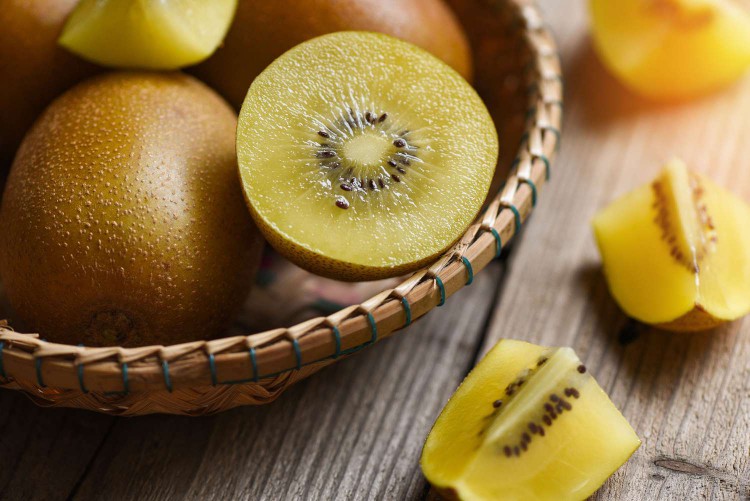
- Lutein: watercress, egg yolks, kiwi fruit, pistachios
- Vitamin E: sunflower seeds, pumpkin, peanuts
Eating to Support Brain Health
The Dietary Guidelines for Americans do not provide specific targets for carotenoid intake, but it suggests aiming for at least 3 servings of vegetables and two fruit servings daily.
Including carotenoid-rich produce in your diet can help fuel your body with brain health-supporting compounds.
“It's important to try to eat a variety of different veggies," said Roxana Ehsani, MS, RD, CSSD, LDN, registered dietitian nutritionist and board-certified sports dietitian. "Eating the rainbow is important, as each veggie has a different nutritional profile and offers you a different array of nutrients."
Certain eating habits can provide a framework for getting more carotenoids in your diet.
For instance, following the MIND diet—a diet combining Mediterranean and DASH diets—may help slow cognitive decline.
Among recommendations like having at least one meal a week that includes fish and enjoying at least three whole grain servings daily, the MIND diet emphasizes vegetable consumption. Specifically, it encourages participants to eat at least one serving of non-green leafy vegetables and at least six servings of green leafy vegetables a week.
Specific guidelines for the MIND diet are as follows:
- 3+ servings a day of whole grains
- 1+ servings a day of vegetables (other than green leafy)
- 6+ servings a week of green leafy vegetables
- 5+ servings a week of nuts
- 4+ meals a week of beans
- 2+ servings a week of berries
- 2+ meals a week of poultry
- 1+ meals a week of non-fried fish
- Olive oil is the fat choice
The MIND diet, while certainly not a guaranteed method for preventing cognitive decline, does provide helpful guidance toward eating more brain-boosting foods.
That said, each case of Alzheimer's is different, and individuals should consult a healthcare professional to discuss their own circumstances and needs surrounding cognitive longevity.
“Some processes associated with Alzheimer’s pathology can be slowed with carotenoids, but we have no metric that would let us predict if that is enough to affect the disease," said Dorey. "But getting exercise and following a healthy diet is our best bet to keep our brains in optimal condition."
A Diet High in Carotenoids May Help Keep Women Healthy Later in Life
New